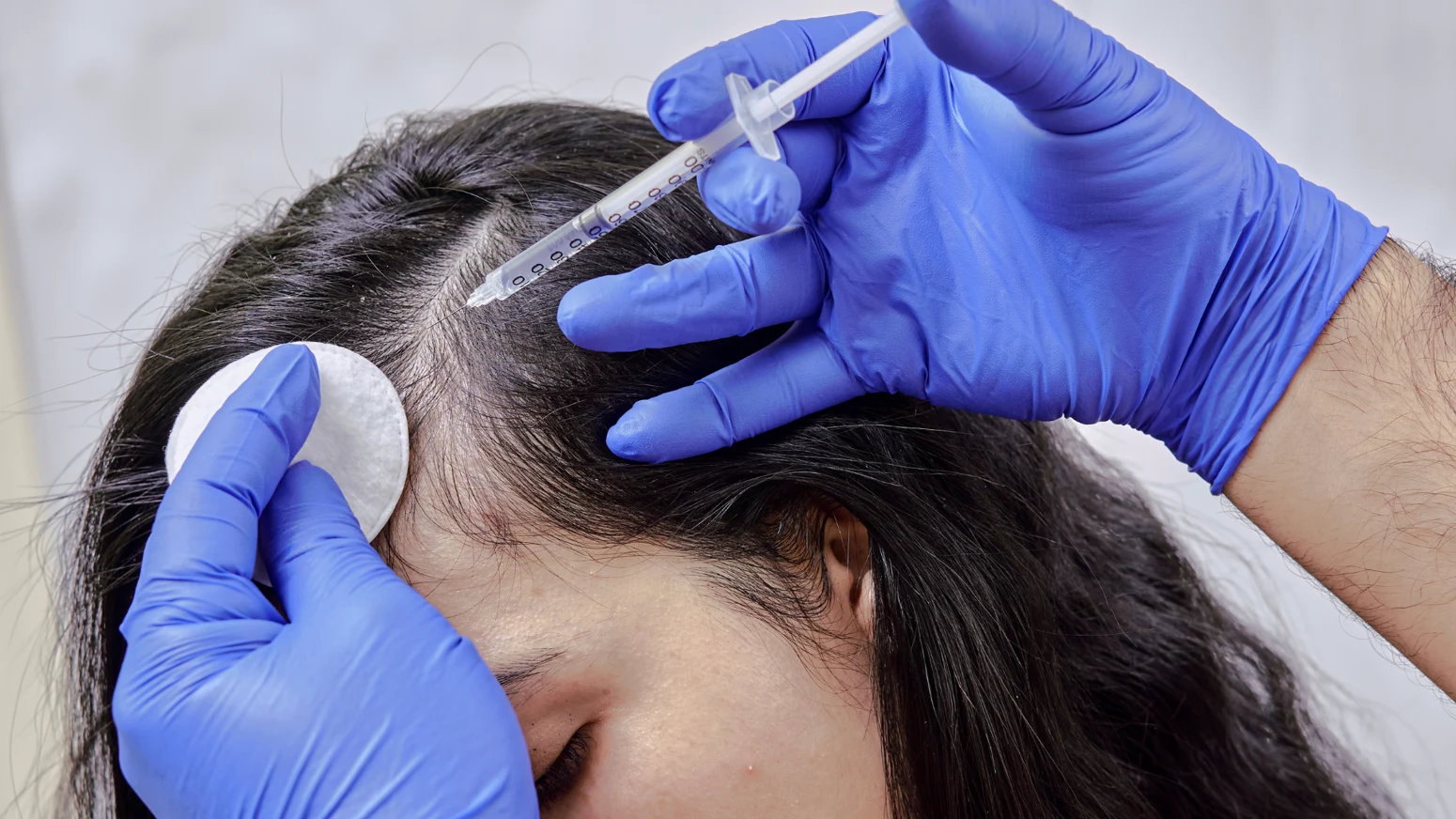
Curriculum
- Ultrasonic and pneumatic transdermal delivery
- Cold atmospheric plasma and scalp stimulation
- Genomics and individualized care planning
- Patient selection, follow-up and practice workflows
Learning objectives
- Distinguish scalp findings that support a cosmetic consultation from findings that warrant medical assessment.
- Compare ultrasonic, pneumatic, cold plasma and light-based technologies by intended use and evidence.
- Develop a baseline photography and follow-up plan that can detect meaningful change.
Program outline
Device-based assessment and care
The fellowship covers ultrasonic and pneumatic delivery, cold plasma and LED technologies for hair and skin.
Genomics and consultation
The published curriculum connects interpretation of DNA reports with digital consultation and progress tracking.
Practice implementation
The society lists intake, consent, staffing, pricing and follow-up workflows as program topics.
Preparation
Review a scalp examination diagram and note the differences between a patient’s reported shedding, measured density and observed scalp condition.
A client asks whether a DNA report can predict the results of a scalp device program. Explain the relationship between the report, clinical examination and baseline images. Draft a follow-up plan that avoids promising a result.
Learning check
Identify one observation, one patient-reported outcome and one uncertainty to document. Explain how lighting, parting and camera distance could make follow-up photographs misleading.
Program details
| Course format | Published tuition |
|---|---|
| 2-day core program | $2,250 |
InFuZe study station
Review how the published ASAHRS curriculum introduces ultrasonic and pneumatic delivery. For a simulated consultation, document the scalp assessment, identify the device configuration, and prepare the follow-up record. Confirm the model, materials and permitted uses with the supervising clinician.
Current program tuition is $2,250. A legacy ASAHRS page lists $3,250. Contact admissions to confirm tuition and the next available session.