
Clinical syllabus
Clinicians preparing to compare non-ablative fractional devices in a consultation or add a second wavelength to a practice.
Before the workshop
Bring the current labeling and operator manual for each training model. Review a sample photographic baseline and write one clinical question a comparison of wavelengths should answer.
01Wavelength and fractional delivery
Review how wavelength, water absorption and delivery geometry inform tissue interaction. Examine why wavelength alone does not determine the actual response in a given case.
Workshop exercise Annotate a comparison chart, separating wavelength-dependent concepts from parameters specific to the individual device.
02Assessment across skin presentations
Use skin history, prior recovery, pigment response, current findings and goals to organize a consultation. Identify assumptions that a photograph cannot resolve.
Workshop exercise Construct a decision sheet that includes a third option: defer and obtain further assessment.
03Two-platform comparative lab
Identify the platform, handpiece, delivery mode and labeling before comparing the controls. Keep a separate record for each system.
Workshop exercise Match teaching examples to the correct operator manual and explain why a number displayed on one console cannot simply be copied to the other.
04Photography and review
Standardize framing, lighting, consent and timing so a follow-up comparison is interpretable. Investigate what changes when baseline and follow-up images are poorly matched.
Workshop exercise Critique two photo pairs and select the pair suitable for longitudinal review, explaining your choice.
05Case conference
Present the patient’s goal, proposed modality, limitations, alternatives, follow-up and criteria for reassessment.
Workshop exercise Deliver a brief case presentation, then revise it after receiving a new detail about prior treatment or recovery.
Bring the decisions together.
Two patients request an improvement in visible texture. One reports a prolonged pigment change after a previous procedure. Identify what further history is needed, compare alternatives, and explain whether a device choice can be justified.
Assessment
Proposed skills and reasoning checks for the workshop.
- Describe the distinction between fractional delivery and wavelength.
- Use the correct manual to identify the training platform and its controls.
- Defend a plan or deferral using the history, labeling and documentation available.
Equipment & owner training
The proposed lab uses Thulia and GroJuvenateIQ from the ENFUZion series. The clinical syllabus covers the procedure, and the operator exercises use the instructions for these models.
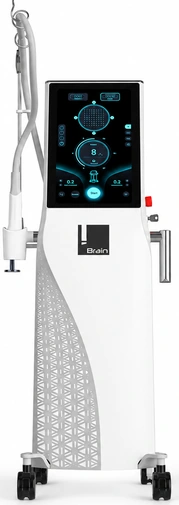
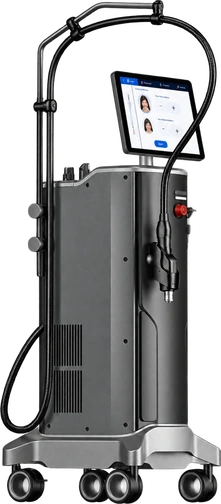
Owner & team onboarding
Learn the installed Thulia or GroJuvenateIQ model one console at a time. Review handpiece identification, approved accessories, display terminology, cleaning instructions and service reporting for the actual unit.
Practice handover
Create a side-by-side equipment identification sheet for the practice, with separate lists of permitted accessories and operator checks.
Request owner training →Preparation resources
Use the current instructions supplied with your exact model for device-specific indications, checks and settings.